Robotic Arms: The Future of Automation, Precision and Innovation
Admin
22 Nov 2026
46 views
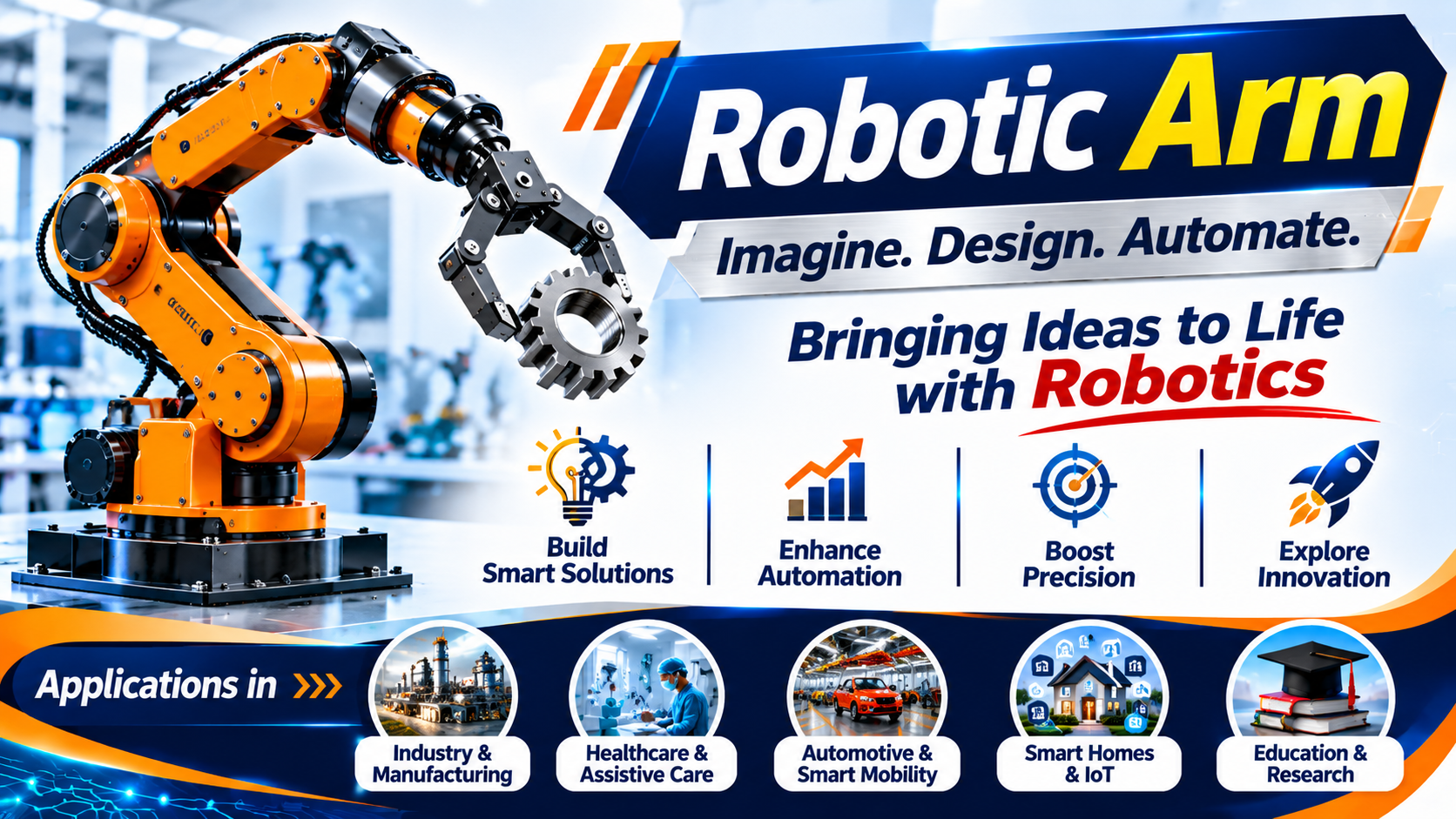
Robotic Arms The Future of Automation Precision and Innovation
Imagine a machine that can perform complex movements handle delicate objects assemble products and work with incredible precision. This is the power of a robotic arm.
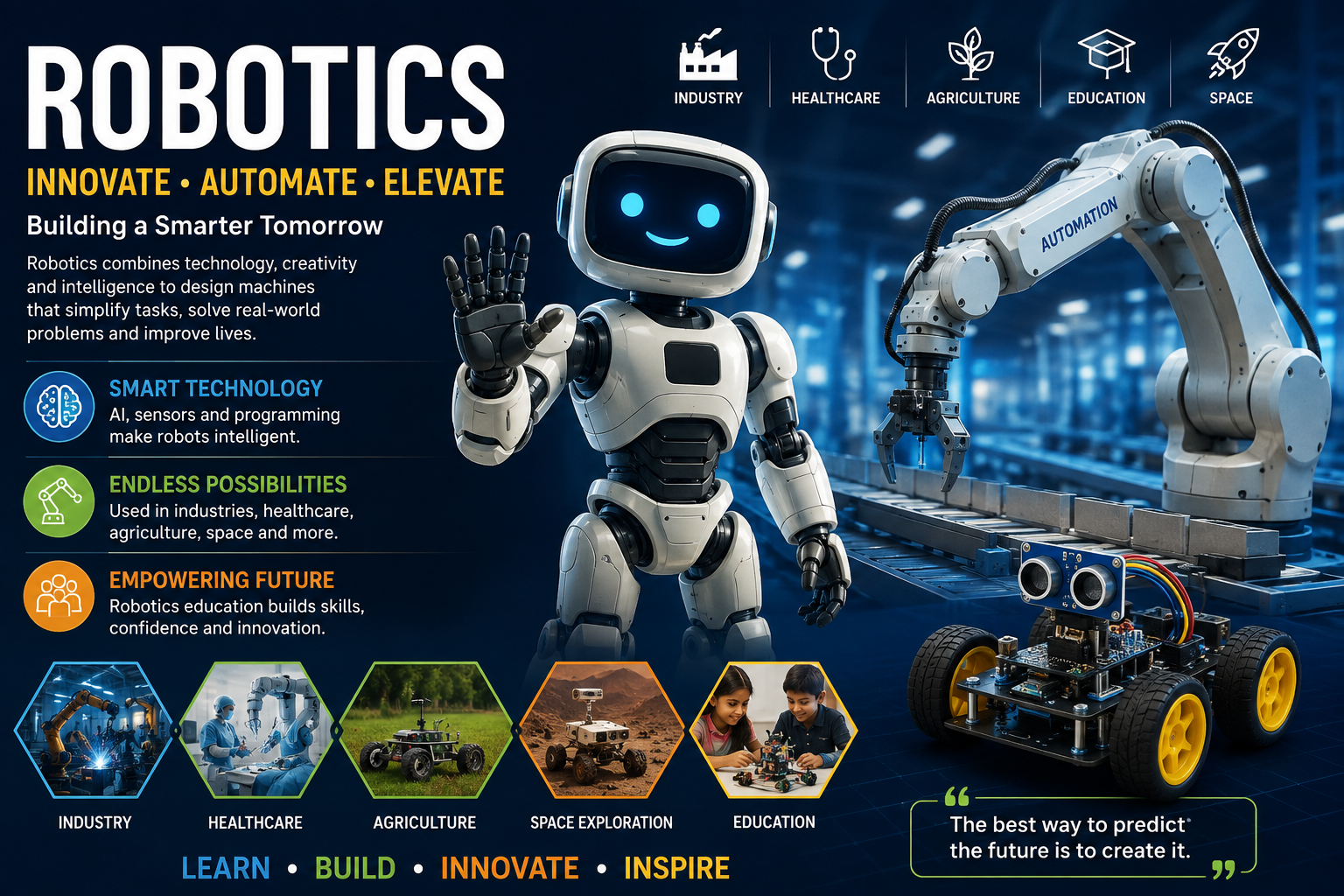
Robotic arms are transforming the way industries manufacture products healthcare professionals perform procedures and students learn about modern technology. As robotics and automation continue to advance robotic arms are becoming an essential part of the modern technological landscape.
What Is a Robotic Arm
A robotic arm is a programmable mechanical device designed to perform tasks similar to a human arm. It consists of interconnected segments joints motors sensors and an end effector such as a gripper or tool that allows it to interact with objects.
Robotic arms can be programmed to perform repetitive accurate and complex operations with minimal human intervention.
Depending on their design and application robotic arms can have different configurations including
1. Cartesian Robotic Arms operate along three linear axes. 2. SCARA Robots are commonly used for assembly and pick and place operations. 3. Articulated Robotic Arms have multiple rotating joints offering flexibility similar to a human arm. 4. Collaborative Robotic Arms or Cobots are designed to work alongside humans in suitable safety controlled environments. 5. Educational Robotic Arms help students understand programming electronics mechanics and automation.
How Does a Robotic Arm Work
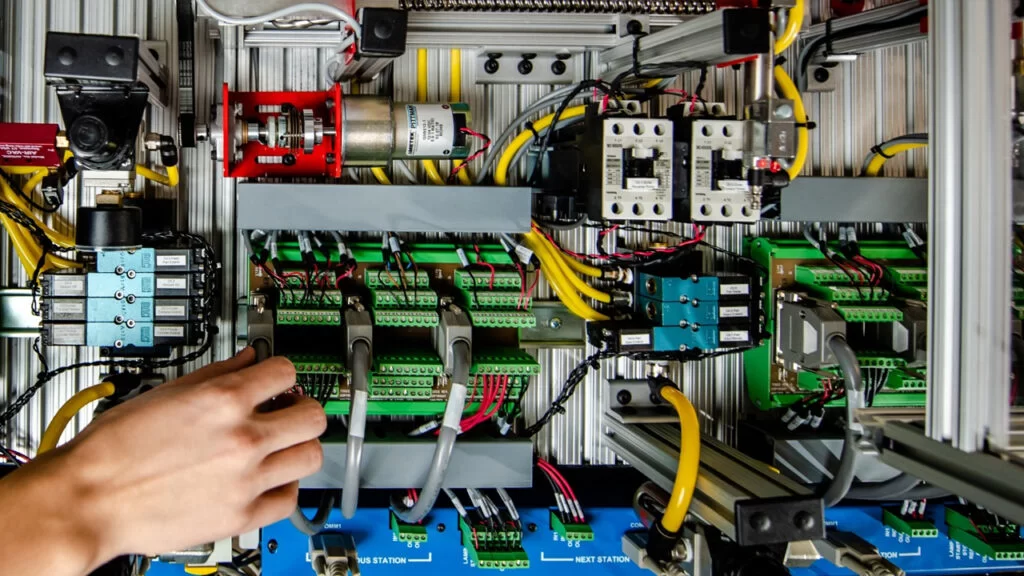
A robotic arm works through a combination of mechanical components electronic circuits motors sensors and control systems.
Its major components include
1. Mechanical Structure The links and joints that form the arm. 2. Motors and Actuators Generate movement and control joint positions. 3. Controller Processes instructions and manages movement. 4. Sensors Provide information about position force and surrounding conditions. 5. End Effector Performs the actual task such as gripping welding painting or picking up objects. 6. Programming Software Defines the movements and operations of the robotic arm.
Robotic arms represent an important step towards a more automated and intelligent future. They combine mechanical engineering electronics programming and artificial intelligence to solve real world challenges.
Whether used in industrial production or a school robotics laboratory robotic arms inspire innovation and demonstrate how technology can turn ideas into reality.
At STEM Mechatronics and Robotics we believe in empowering the next generation through practical learning in Robotics Mechatronics AI IoT and emerging technologies.
Explore robotics build innovative projects and take the first step towards becoming a technology creator.
Learn Innovate Inspire
Visit https://stem-mecharobo.com/
Tags:
Robotic Arm
Robotics
Industrial Robotics
Robotic Automation
Artificial Intelligence
AI in Robotics
Mechatronics
STEM Education
Robotics for Students
Educational Robotics
Industrial Automation
Robotic Engineering
Robotic Applications
Smart Manufacturing
Collaborative Robots
Pick and Place Robot
Robotic Manipulators
Future of Robotics
Engineering Innovation
Technology Education